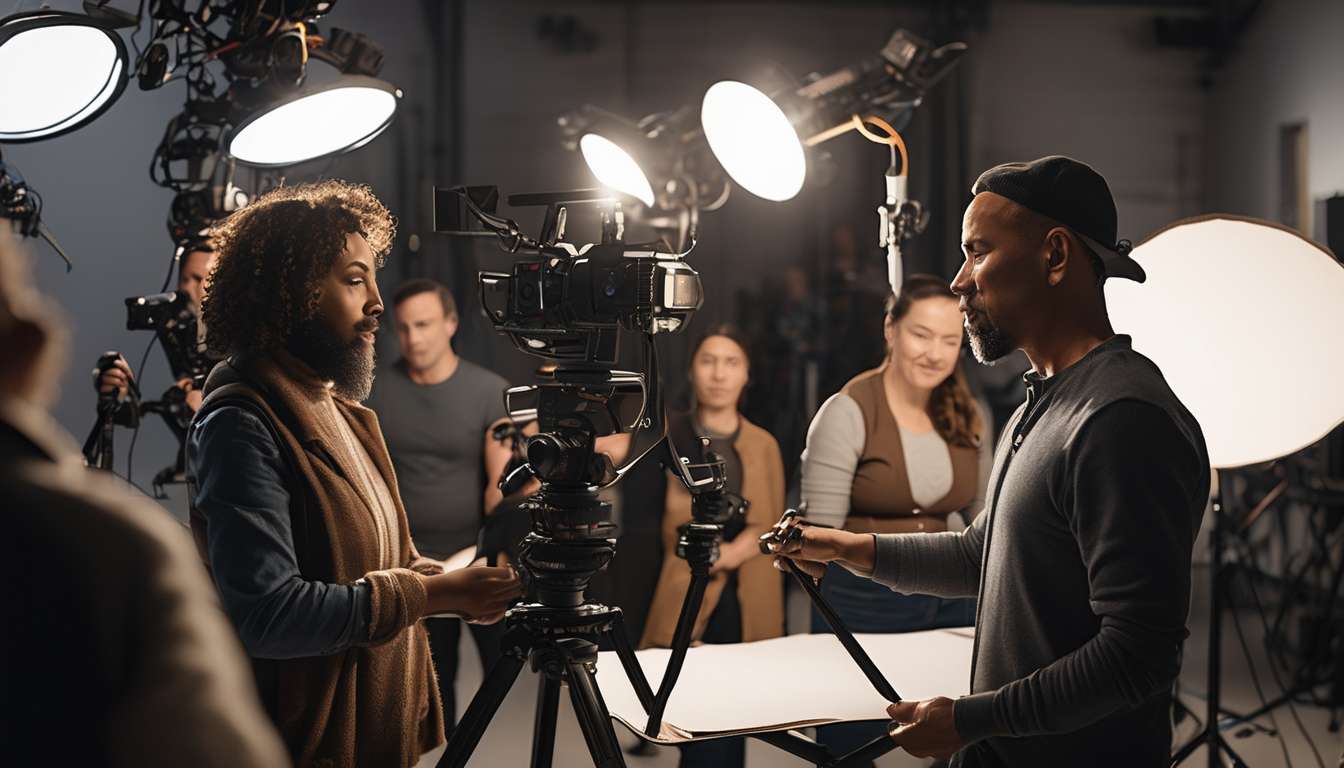
Building on recent shifts in labor practices and content regulation, studios embracing formal production training are reshaping standards across the adult video industry.
As platforms enforce stricter safety checks and audiences demand higher production value, studios are investing in curricula that teach:
- lighting
- consent communication
- set etiquette
- technical workflows
This trend is not just about aesthetics; it reflects an industry aligning with mainstream expectations for professionalism, accountability, and worker well-being.
Credentialed crews produce measurable benefits:
- reduce shoot times
- minimize disputes
- elevate performers’ confidence
- improve on-screen authenticity
By documenting procedures and standardizing roles, studios can meet both regulatory requirements and consumer preferences without sacrificing creativity.
The collective adoption of best practices signals a maturation of the field — training becomes a competitive advantage and a foundation for sustainable growth.
Conclusion: measured, skill-based training benefits everyone involved.
Industry Training Trends
Trend: We’ve seen a steady uptick in studios adopting formal production training programs over the past five years.
Shared standards: We’re embracing shared standards that help everyone feel part of a dependable team.
Practical skills taught:
- Set etiquette that reduces friction.
- Clear communication patterns so roles are respected.
- Procedures that prioritize on‑set safety without singling anyone out.
Small habits that build trust:
- Timely call sheets.
- Concise briefings.
- Respectful language.
Workflow optimization: We train to align prep, shooting, and wrap so people know what to expect and when.
Predictability benefits: That predictability eases anxiety and strengthens collaboration; when we know the cadence, we contribute confidently.
Feedback loops: Trainers encourage feedback so crew and talent shape processes together, reinforcing belonging.
Outcome: By standardizing practices and teaching them consistently, we’re making studios more professional and inclusive.
Result: The trend shows that when people feel seen, informed, and respected, production quality and retention both improve.
Safety and Consent Protocols
We’re formalizing clear safety and consent protocols so everyone knows their boundaries, how to give and withdraw consent, and what steps we’ll take if concerns arise.
We create a shared framework that normalizes asking questions, stating limits, and documenting agreements before rolling.
We’ll teach set etiquette that respects personal space, language preferences, and touch permissions, and we’ll role‑play scenarios so people feel confident speaking up.
We’ll reinforce on‑set safety through trained coordinators, private check‑ins, and accessible escalation paths.
- Everyone will know who to contact and what immediate measures will be taken.
We’ll integrate consent checkpoints into call sheets and rehearsal notes to align expectations without slowing production.
- That workflow optimization ties respect to efficiency: when boundaries are clear, scenes proceed more smoothly and trust deepens.
We’re committed to ongoing training, regular feedback loops, and community standards that keep people feeling seen, protected, and part of a respectful team.
Lighting and Visual Standards
We’ll establish standardized lighting setups and visual guidelines that ensure consistent skin tones, flattering shadows, and reproducible mood across shoots.
We’ll create clear, shareable diagrams and preset lists so every crew member knows preferred key, fill, and backlight ratios.
We’ll agree on color temperature targets and calibrated monitors, promoting trust and a sense of belonging when everyone sees the same image.
We’ll train teams on set etiquette that respects performers and technicians, including:
- minimal interruptions during takes,
- clear communication around adjustments,
- designated roles for who calls changes.
We’ll incorporate on‑set safety by:
- marking cables,
- securing stands,
- briefing everyone on emergency procedures before lights are powered.
We’ll document preferred diffusion, flagging, and lens choices so looks are repeatable across sessions.
We’ll run brief lighting rehearsals to confirm tones and mood without wasting performers’ time.
We’ll keep concise logs of settings and notes to support continuity between shoots.
Outcome: By standardizing visual standards, we’ll raise production value, protect people, and streamline collaboration while keeping everyone aligned and respected.
Technical Workflow Optimization
Goal: Streamline technical workflows so teams spend less time fixing errors and more time creating.
Standardize file naming, ingest, backup, and delivery procedures
- Define consistent folder structures, metadata tags, and ingest routines.
- Create named templates for common projects to minimize configuration errors.
- Use interoperable file formats to avoid conversion delays for editors and colorists.
Document clear checklists tied to etiquette and on‑set safety
- Produce concise, role-specific checklists for camera, data, and post teams.
- Include technical handoffs and expected behaviors so everyone knows responsibilities.
- Emphasize timecode and logging standards to ensure accurate, searchable assets.
Automate verification and redundant backups
- Implement automated checksum verification during ingest and transfer.
- Configure redundant backups with versioning and offsite/archive copies.
- Schedule regular restore and transfer tests to confirm archives work before deadlines.
Optimize workflows for immediate post-production
- Provide starter project files and presets so editors/colorists can begin without conversion.
- Adopt consistent naming and folder conventions that map directly into NLE/DI systems.
Train crew on concise logging and timecode habits
- Run short, practical training sessions focused on logging etiquette and timecode discipline.
- Reinforce why consistent habits build trust and make handoffs faster and safer.
Debrief and iterate
- Hold brief, inclusive post-shoot debriefs to capture small improvements.
- Maintain a living checklist and update templates/procedures based on feedback.
Outcome: When technical systems are predictable and respectful of on‑set needs, creativity flows, safety is reinforced, and the whole team feels valued and capable.
Role Definitions and Accountability
Every role on a production should have a clear title, defined responsibilities, and an accountable owner.
This ensures the team knows who makes decisions and who follows through.
We define roles so everyone feels included, respected, and able to contribute.
When job descriptions explicitly link tasks to people, we:
- avoid overlap,
- encourage skill growth,
- reinforce set etiquette that keeps interactions predictable and kind.
Clear accountability supports on‑set safety by assigning who monitors consent, hygiene, and emergency protocols.
This way, no one hesitates when action’s needed.
We also use role clarity to support workflow optimization.
Knowing who’s responsible for prep, continuity, lighting, or talent coordination:
- reduces bottlenecks,
- builds trust,
- speeds decision-making.
In meetings we invite feedback, update responsibilities as people develop, and celebrate contributions to belonging.
By documenting duties, escalation paths, and handoff procedures, we create a studio culture where everyone knows how to act, who to ask, and that their work matters to collective success and safe, respectful production.
Reducing Shoot Time Costs
To cut shoot-time costs, prioritize detailed preproduction planning, streamlined call sheets, and strict on-time call practices so every hour on set is used efficiently.
Create a shared rhythm where everyone knows roles, call times, and expectations.
- This clarity reduces downtime and reinforces set etiquette.
- We do not tolerate casual lateness because it affects budgets and team morale.
Implement workflow optimization by mapping each scene’s steps, staging equipment needs in sequence, and rehearsing technical moves before rolling.
- This minimizes retakes and keeps crews aligned.
- Encourage crew input on timing and task ownership to build belonging and quickly uncover bottlenecks.
Fold on-set safety into every checklist so safety protocols are routine, not an add-on.
- Making safety habitual lowers incident-related delays.
Measure outcomes and refine procedures.
- Track turnaround times.
- Record average retakes.
- Collect crew feedback.
By combining respectful set etiquette, robust on-set safety habits, and continuous workflow optimization, you cut costs while sustaining a collaborative, efficient environment.
Performer Well‑being Practices
We prioritize performer well-being by providing clear consent processes, adequate breaks, private warming areas, and access to on-site medical and mental-health resources.
We create an environment of respect where everyone feels seen, heard, and respected; set etiquette keeps boundaries explicit and interactions professional.
We train crews to recognize signs of fatigue or distress and to act quickly, enhancing on‑set safety while preserving dignity.
We standardize logistics (call sheets and staging) to reduce confusion and use workflow optimization to minimize downtime and unnecessary retakes that stress performers.
We schedule buffer periods so performers aren’t rushed and can prepare mentally and physically.
We encourage peer support and debriefs after difficult scenes, cultivating community and mutual accountability.
We document and update best practices with performer feedback, ensuring procedures evolve inclusively.
We hold regular trainings that balance technical efficiency with humane care, proving that studios can be productive and compassionate at once.
Regulatory Compliance Strategies
We maintain strict regulatory compliance by tracking applicable laws and industry standards, documenting procedures, and training staff to ensure consistent, auditable adherence.
We foster a shared responsibility. Every team member knows required records, consent protocols, ID verification, and reporting timelines.
We build checklists that integrate set etiquette and on‑set safety into pre-shoot signoffs so compliance becomes part of our culture, not an afterthought.
We standardize workflow optimization to reduce errors and create clear audit trails—digital logs, versioned policies, and role-based access control keep information organized and secure.
We conduct regular reviews.
- Internal audits identify gaps and corrective actions.
- Peer reviews invite cross-team participation and continuous improvement.
We respond quickly to regulatory change.
- Update training modules promptly.
- Hold briefings to answer questions and preserve trust.
By combining precise documentation, practical training, and team-centered practices, we make compliance a collective achievement that protects performers, staff, and our studio’s reputation.
How does production training affect the creative direction and storytelling quality of adult videos?
When we ask how production training shapes creative direction and storytelling quality, we see clear effects.
We collaborate more confidently, sharing techniques that sharpen pacing and shot choice, and aligning on tone so narratives feel authentic.
We lean into character development, craft scenes with intention, and troubleshoot issues together.
That collective growth boosts consistency and lets us take bolder, more thoughtful creative risks that resonate with both creators and audiences.
What are the long-term career development opportunities for crew and performers who complete production training programs?
Completing production training opens lasting career pathways.
Key outcomes:
- Technical skills: We gain hands-on abilities that make us immediately valuable on set and in post-production.
- Leadership chances: Training prepares us to lead teams and take supervisory roles.
- Confidence to advance: Graduates feel equipped to move into directing, producing, editing, or studio management.
Career development and networks:
- Build professional networks: Connections formed during training lead to job opportunities and collaborations.
- Mentorship: Trained professionals can mentor newcomers, strengthening the talent pipeline.
- Expand into related roles: Opportunities extend into media education, content strategy, and other adjacent fields.
Leveraging credentials for better work:
- Portfolios and certifications: Use tangible work samples and qualifications to secure steady work.
- Negotiate better terms: Demonstrated competence supports higher pay, clearer roles, and improved conditions.
- Shape inclusive workplaces: Prioritize growth and belonging so everyone benefits from equitable career pathways.
How do studios measure the return on investment (ROI) from implementing production training initiatives?
We measure ROI by tracking concrete metrics and sharing results so everyone feels included.
We compare production costs, shoot times, error rates, and reshoot frequency before and after training.
We monitor revenue per project, client retention, and crew retention.
We survey satisfaction and skill confidence.
We calculate cost savings and increased revenue against training expenses.
We report transparent results and iterate training based on feedback to keep improving together.
Conclusion
You’ll see measurable gains when you invest in production training: crews follow clearer safety and consent protocols, light and visual standards improve, and technical workflows get faster and more consistent.
Roles and accountability reduce mistakes and cut shoot time costs.
Performer well‑being practices and regulatory compliance keep operations sustainable and legally sound.
Ultimately, training elevates studio standards, protects people, and boosts efficiency and reputation — so make it a regular, prioritized part of your operation.